Chinese memory brands ditch Samsung and Micron for homegrown CXMT and YMTC silicon — Corsair, HP, and Dell are already adopting the China-produced DDR5 chips
Chinese memory brands Gloway and KingBank ditch Samsung and Micron for homegrown CXMT DDR5 chips, with Corsair, HP, and Dell already adopting the China-produced memory modules.
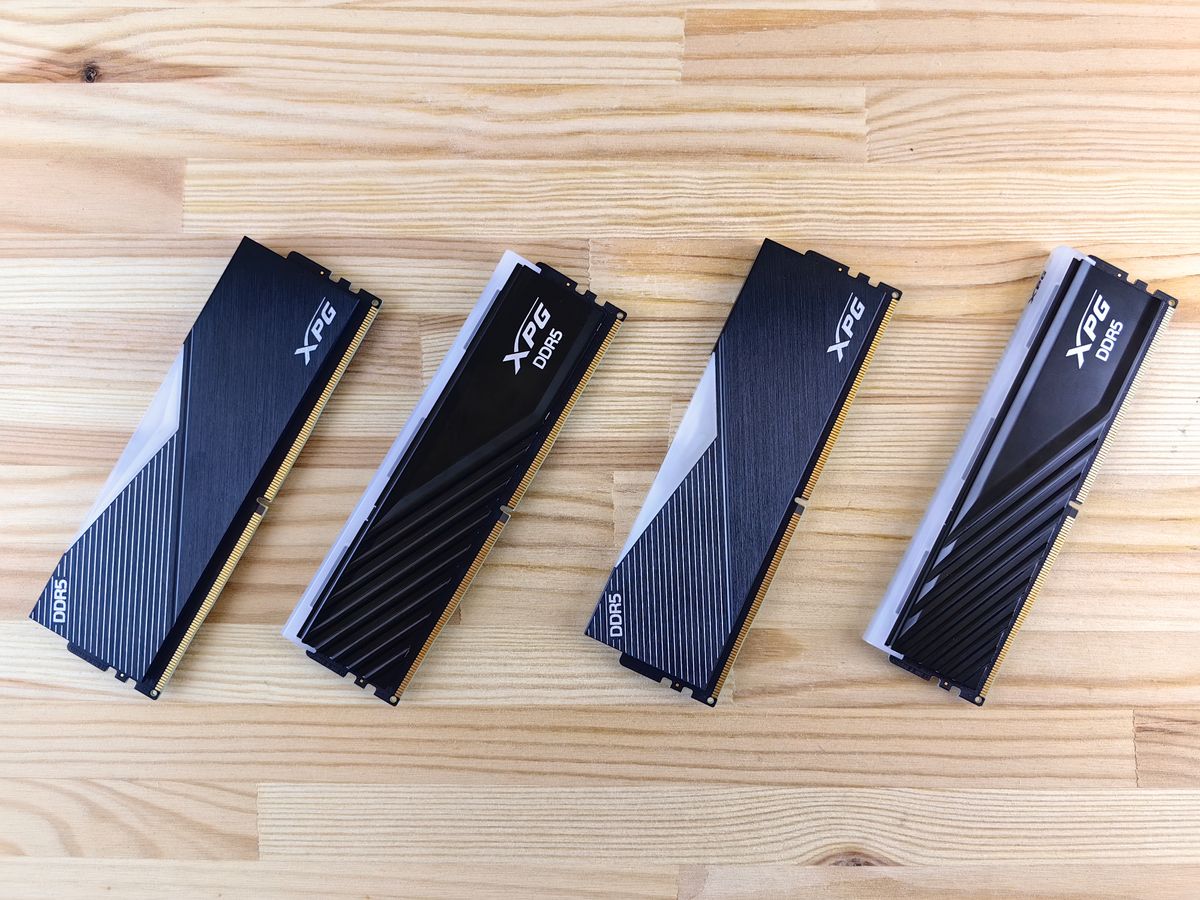
China's Memory Supply Chain Shifts Toward Self-Sufficiency
The global memory market, long dominated by Samsung, SK hynix, and Micron, is witnessing a significant realignment as Chinese memory brands increasingly turn to domestic chip suppliers. Gloway and KingBank, two of the most prominent Chinese memory module manufacturers, have announced new DDR5 memory kits powered entirely by chips from CXMT (ChangXin Memory Technologies), marking a decisive step away from the traditional Big Three DRAM suppliers that have controlled the market for decades.
According to detailed reports from ITHome, multiple Chinese memory vendors have already shifted their supply chains to CXMT for DRAM and YMTC (Yangtze Memory Technologies Corp.) for NAND storage. This transition is not merely a symbolic gesture—it represents a fundamental restructuring of how memory components flow through China's massive technology manufacturing ecosystem. These domestic manufacturers receive substantial government backing, research grants, and production subsidies, enabling them to offer competitive pricing while prioritizing China's long-term drive toward technological self-sufficiency in critical semiconductor components.
The Rise of CXMT and YMTC in China's Semiconductor Ambitions
CXMT, which specializes in DRAM production, and YMTC, focused on NAND flash memory, are at the absolute forefront of China's national push to reduce reliance on foreign semiconductor suppliers. Both companies have invested billions in fabrication facilities and R&D, with the explicit goal of matching—and eventually surpassing—the technological capabilities of established global players.
Unlike their international counterparts—Samsung, Micron, and SK hynix—which are currently maximizing profits from the AI boom and explosive data-center demand, Chinese chipmakers are strategically focused on supplying domestic companies at stable, accessible prices. This creates a fundamentally different market dynamic than what the rest of the world experiences.
Nelson Duann, Senior Vice President at Silicon Motion, offered valuable insight in a recent interview with Tom's Hardware. "China is a different market. China has domestic NAND and DRAM makers, and their strategy is not the same as that of foreign memory suppliers," Duann explained. "Because they receive government support, they also have a responsibility to help maintain the health of the local market."
Duann further elaborated that while foreign suppliers typically chase the highest-return opportunities—allocating the bulk of their supply to high-margin data center contracts—Chinese suppliers operate under a different mandate. "Chinese suppliers cannot do that in the same way because the government can provide guidance and encourage them to support certain local industries," he added, highlighting the strategic coordination between Chinese chipmakers and the broader national industrial policy.
Gloway and KingBank Lead the Domestic Charge
Gloway and KingBank recently unveiled DDR5 memory modules built entirely around CXMT's latest 24Gb (3GB) memory chips, representing a major technical achievement for the Chinese DRAM manufacturer. Using a standard eight-die configuration on each module, these new memory sticks deliver 24GB of capacity per stick, which can be packaged into dual- or quad-DIMM kits for 48GB or 96GB of total system memory respectively.
This marks a particularly notable milestone for CXMT, as 24Gb DRAM dies represent a density improvement that puts them in much closer technical competition with offerings from Samsung, SK hynix, and Micron. Just a few years ago, Chinese DRAM was considered several generations behind—this latest development signals that the gap is narrowing rapidly.
Global Brands Already Adopting CXMT Memory
Perhaps the most telling sign of CXMT's growing competitiveness and manufacturing quality is its adoption by major global brands outside of China. Corsair, one of the world's most recognizable names in high-performance PC memory, has already integrated CXMT DDR5 into select kits within its prestigious Vengeance lineup—a product line traditionally associated with premium Samsung and SK hynix memory chips.
Even more significantly, PC industry titans HP and Dell have begun the process of qualifying CXMT-based memory kits for integration into their desktop and workstation products. This qualification process is rigorous and typically takes months, suggesting that CXMT's memory has passed extensive reliability and compatibility testing.
This development strongly suggests that Chinese-designed DRAM is no longer confined to the domestic market but is successfully beginning to penetrate global supply chains. For consumers worldwide, the emergence of a credible fourth DRAM supplier could lead to more competitive pricing and more affordable DDR5 memory options across the board.
Performance Questions and Market Implications
Independent, third-party reviews of CXMT-based memory kits have yet to appear in major publications, leaving important questions about real-world performance and overclocking headroom unanswered for now. Enthusiasts and hardware reviewers alike will be watching closely to see how these homegrown chips compare to Samsung, SK hynix, and Micron alternatives in CPU-bound benchmarks, gaming performance, and memory-intensive workloads.
The broader implications for the memory industry are substantial. If CXMT and YMTC continue to gain traction and improve their manufacturing processes, they could fundamentally reshape global memory pricing and supply dynamics. This is especially relevant as geopolitical tensions and trade restrictions continue to influence technology supply chains worldwide. For the first time in decades, the DRAM market—long considered an impenetrable oligopoly—faces a credible new challenger with the backing of an entire nation's industrial policy behind it.