Startup's 'miracle' solid-state battery actually uses lithium-ion chemistry, according to third-party tests — Donut Lab raised $25M and is valued at $1.25B on what now appear to be debunked claims
Donut Lab, a Finnish startup that claimed a breakthrough solid-state battery with 400 Wh/kg density, was exposed by independent experts as using standard lithium-ion chemistry. The company raised $25M from 1,300+ investors at a $1.25B valuation. Authorities are now investigating.

The Solid-State Battery That Wasn't
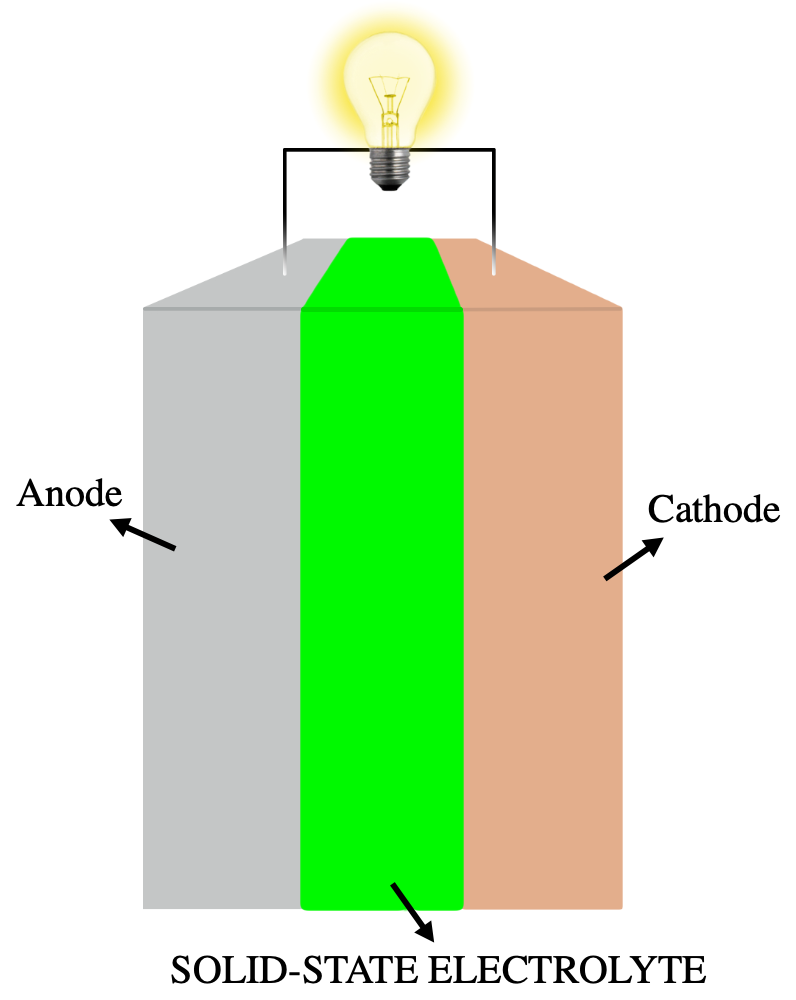
A Finnish startup's bold claims of pioneering a revolutionary solid-state battery technology have unraveled dramatically under independent scrutiny. Donut Lab, which burst onto the scene at CES 2026 with promises of a "game-changing" battery, has been revealed to have been using standard lithium-ion chemistry all along — despite raising $25 million from thousands of small investors on the back of alleged breakthroughs.
Ryan Inis Hughes, host of the Ziroth YouTube channel, led an investigation involving over 20 independent battery experts to examine Donut Lab's claims. Their findings, corroborated by scientists from the Fraunhofer Research Institute and multiple universities, paint a troubling picture of a startup that may have misled investors, partners, and the public.


The Claims That Raised Eyebrows
At CES 2026, Donut Lab CEO Marko Lehtimäki took the stage to announce what he described as a transformative solid-state battery technology. The company touted staggering specifications: 400 Wh/kg energy density, a lifespan of 100,000 charge cycles, and the ability to fully charge in just five minutes. The startup further claimed the battery was already shipping in production vehicles — a feat that battery giants like Toyota and Samsung are still years away from achieving.
On the back of these claims, Donut Lab's valuation soared to an eye-popping $1.25 billion. The company collected $25 million from over 1,300 small investors, many of whom were drawn by the prospect of backing the next breakthrough in energy storage technology.
Early Warning Signs
Before any technical analysis could be performed, cracks began to appear in Donut Lab's narrative. A whistleblower from Nordic Nano Group, where they had served as COO, came forward alleging that the specifications announced at CES 2026 were not accurate. This raised initial concerns about the company's claims.
Adding weight to these doubts, a scientist from the Fraunhofer Research Institute who engaged with CT Coatings — Donut Lab's technology provider — reportedly remarked that "these people have no idea how a battery actually works." Further investigation revealed that a partnership with a motorcycle firm, which Donut Lab had cited as evidence of real-world deployment, was in fact only at the development test phase. The batteries were not in any "first production motorcycle," contradicting the company's claims on its website and at CES.
Scientific Analysis Confirms Lithium-Ion Chemistry
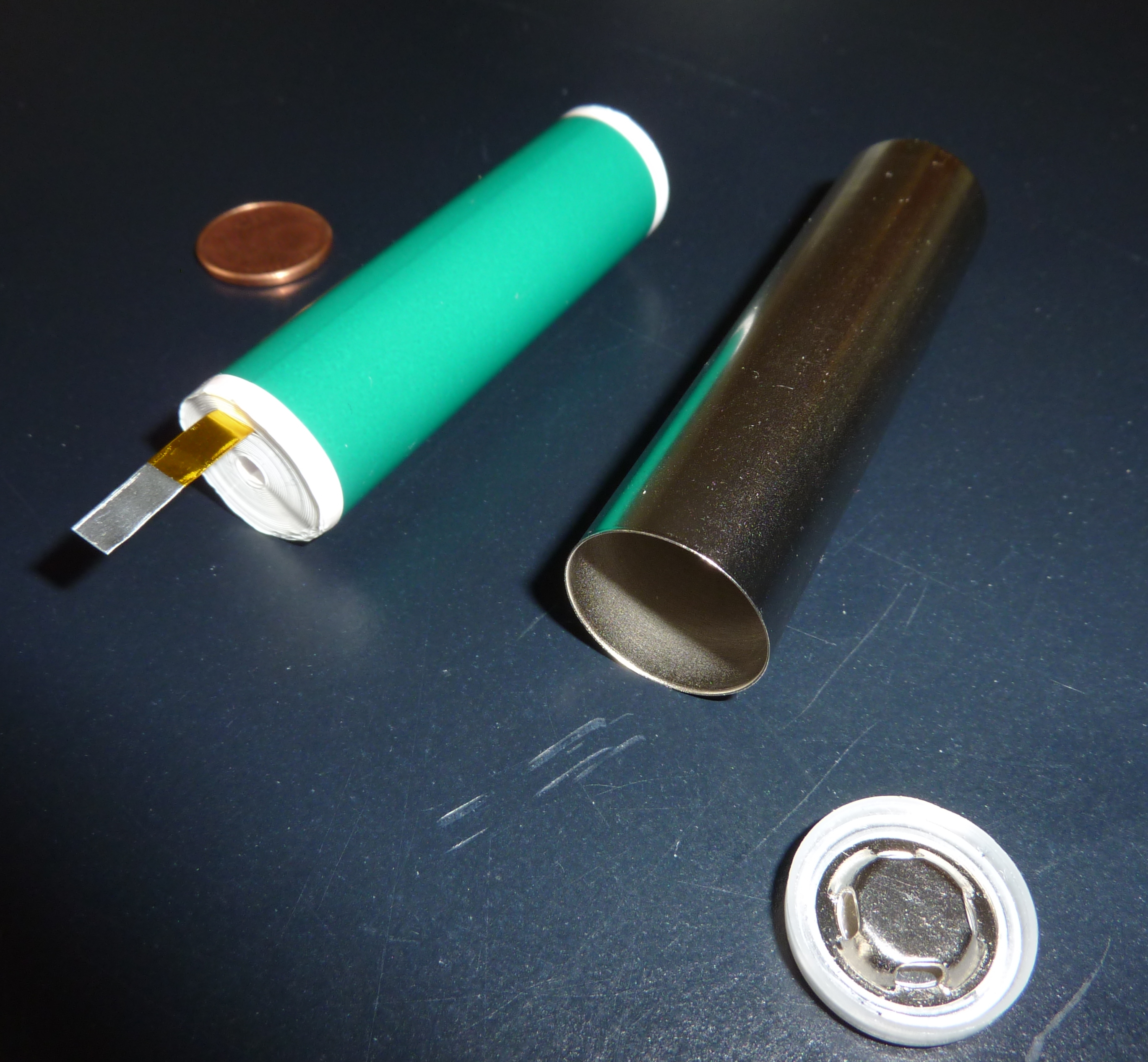
The independent investigation subjected Donut Lab's battery cells to rigorous testing, and the results were damning. Scientists from Fraunhofer, along with experts from several universities, confirmed definitively that the tested cell was a standard lithium-ion battery, not a solid-state design.
Two pieces of evidence proved particularly conclusive:
- Voltage curves: The battery's voltage characteristics precisely matched those of a high-nickel lithium-ion (NCM chemistry) cell, not a solid-state battery.
- Physical expansion: A distinctive "kink" in the battery's expansion curve at approximately 50–70% state of charge is a telltale signature of lithium-ion chemistry.
Perhaps most significantly, the advertised energy density of 400 Wh/kg turned out to be wildly inflated. Independent measurements recorded just 298 Wh/kg — a respectable figure for a conventional lithium-ion battery, but far from the breakthrough the company had claimed.
The Theranos of Batteries?
The parallels to Elizabeth Holmes's infamous blood-testing startup Theranos have not gone unnoticed. In both cases, charismatic founders made extraordinary claims that attracted substantial investment, only for independent testing to reveal that the underlying technology simply didn't work as advertised.
Finnish financial authorities and criminal authorities are now reportedly investigating Donut Lab. For the more than 1,300 small investors who entrusted their savings to the company, the fallout could be severe. Many invested under what now appear to be false pretenses, attracted by the dream of backing a technology that would transform the energy industry.
Industry Impact and Lessons
The Donut Lab saga serves as a cautionary tale for the battery industry and the broader tech investment community. While genuine solid-state battery research continues at established players like Toyota, Samsung, and numerous academic institutions, the case highlights the importance of independent verification and due diligence.
"The battery industry has seen its share of overhyped claims, but this situation is particularly concerning given the number of individual investors involved," a battery industry analyst noted. "It underscores why peer-reviewed validation and transparent third-party testing should be non-negotiable prerequisites for any company claiming a major technological breakthrough."
As investigations continue, the story of Donut Lab stands as a stark reminder that in the high-stakes world of battery technology, extraordinary claims require extraordinary evidence — and that when independent experts are given the chance to examine the evidence, the truth eventually comes to light.